

You okay, Hun?
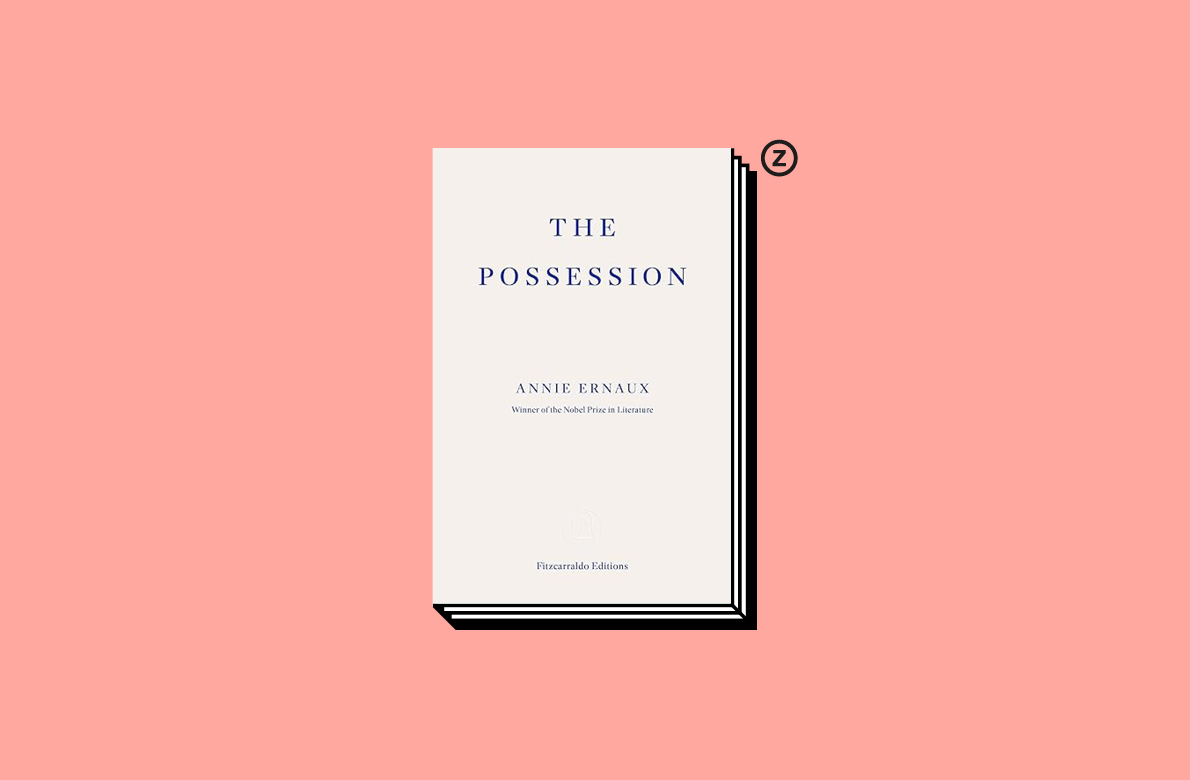
Thoughts on The Possession by Annie Ernaux, translated by Anna Moschovakis

Starkly referencing a man’s cock in the opening of any piece of writing is bold.
Just the use of the word “cock.”
There. I did it again, and you winced a little, didn’t you? Maybe not physically, but mentally. A little.
The choice to unleash such a word (innuendo intended) is usually, I suspect, done cynically (for shock/attention) or done authentically—because you just don’t give a shit and it’s the right word to use.
I sense Annie Ernaux‘s motivations fall in the latter category.
This is the first of hers I’ve read, but I know many hold her work in extremely high regard.
A friend said she loved her, so I thought to investigate.
I chose this one because it was the slimmest, and, given my podcast interview TBR pile, and the attempt to work on my own ambitious ramblings, the chance to read outside of either category is becoming harder.
But back to the cock.
Sorry. That was a cynical use. But the fact is, Ernaux could easily have been writing about a vagina.
Is “vagina” the visceral equivalent to “cock” on the page? Probably not—but I’m not going there.
Still, the sex is irrelevant. The point in The Possession is not the shock of the language itself but the psychic shock of losing someone you love (or at least desire) to another.
The book (at 42 sparse pages, it’s more of a meditation) is concerned with how we can obsess about that Other.
The unknowableness. The contradiction of needing and not wanting to know. The fact that in many ways this Other does not even exist, at least not in the form you imagine. This is what The Possession is all about.
And without wanting to labour over her use of the word cock, I feel the boldness of her language choice echoes and/or reflects her overall choice to document her paranoia about her ex-partner‘s new paramour so honestly.
It’s all just about true. I relate. And I note the decision to publish in Fitzcaraldo Cream, rather than blue, reiterating that this is an essay and not fiction.
(Incidentally, I’ve never used the word paramour before, nor do I know if even I’ve used it correctly here. I do feel it was appropriate. Much like overusing the word cock.)
Anyhow, it’s good. It’s precise. It gives, as they say, no fucks. And I admire that.
Halfway through, I thought Annie might be on a bit of a mad ‘un. But come the end, I think she’s got her shit together.
Even with such a small sample, I can see she’s all the things people say she is, and I guess they don’t give out Nobel Prizes for shits and giggles.
Indeed, I presume you already know all this and are more likely screaming for me to read more. But if not… if you’re as behind as me… this is an ideal starter, which will leave plenty of room for the main.
My recommendation: Any break-up will do, but for maximum relatability while reading, move to Paris, read nothing but The Unbearable Lightness of Being until you’re 50, and then have an affair with a student you met at the Sorbonne. Spend some intense nights together in your chambre de bonne, take walks along the Canal Saint-Martin, and then introduce your partner to someone similar to you but less messed up. Let that simmer for a month or so, and then you’ll be ready to read this.